Pop Culture & Neomysticism | Anime, Myth & Identity Awakening
How Pop Culture Became the New Mysticism
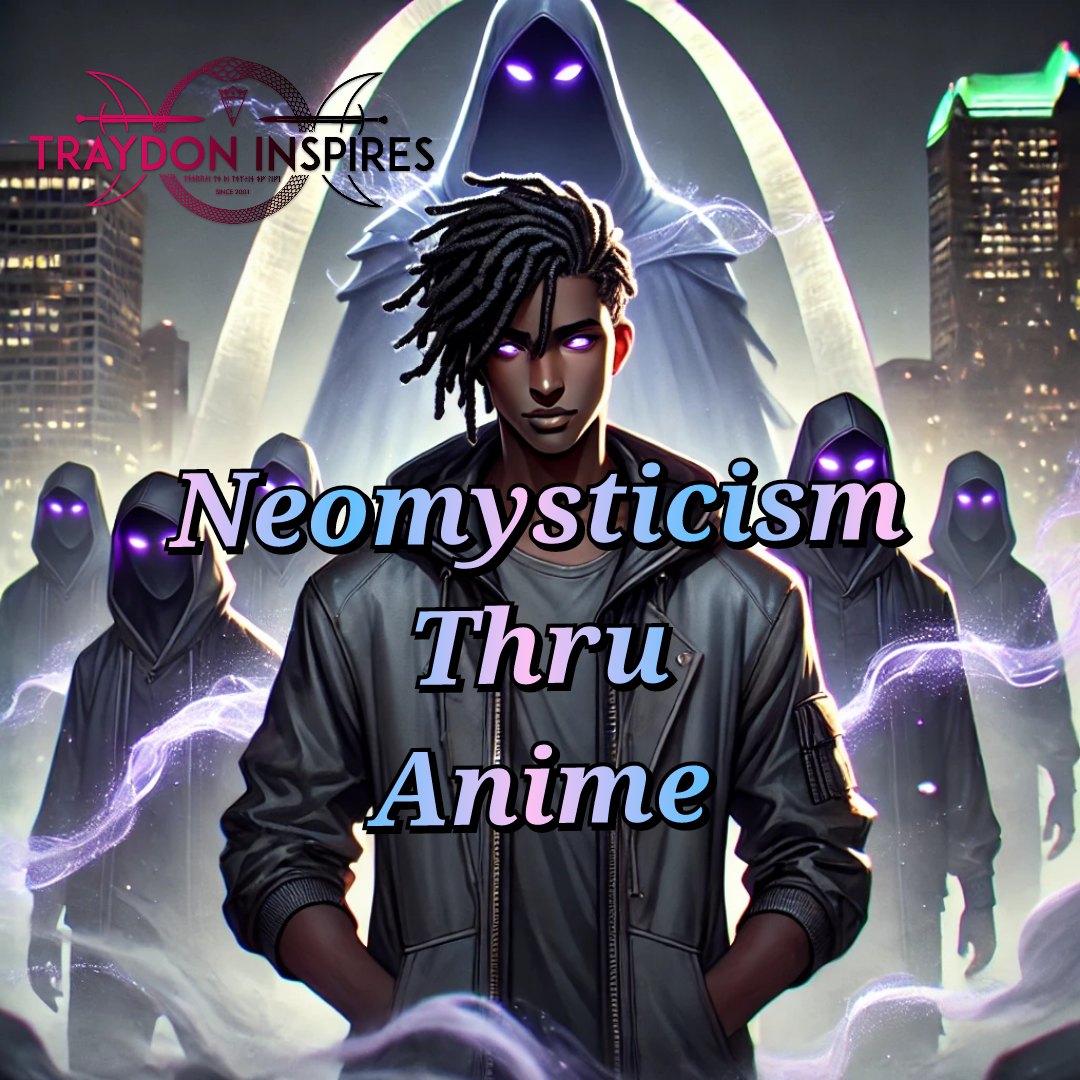
The Temple Changed
There is a truth many people feel but rarely name:
What if your favorite anime was never just entertainment?
What if it was your identity remembering itself?
In the past, mystics sat beneath stars, studied ancient texts, and listened for divine messages in silence.
Today, we were raised in a different temple.
A glowing screen.
A transformation sequence.
A moment that hit so deeply it felt like recognition, not entertainment.
Pop Culture as Encoded Initiation
We were shaped by archetypes:
Naruto finding belonging.
Kaneki confronting his shadow.
Goku transforming through struggle.
These stories were not random.
They function as modern myth.
Pop culture is not an escape from reality.
It is an initiation into identity.
Through characters, symbols, and narrative arcs, we encounter versions of ourselves we could not yet name.
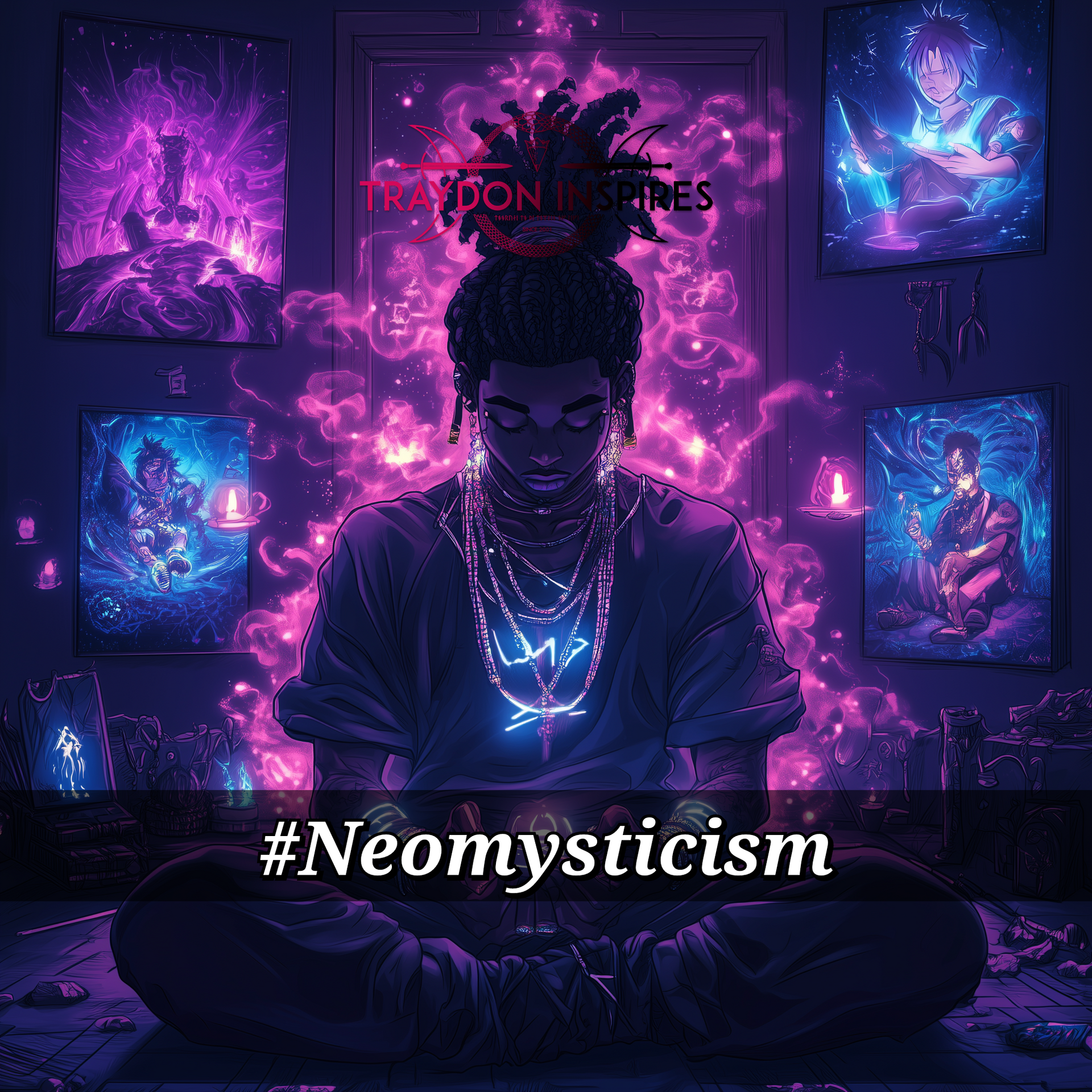
The Bridge Between Mysticism and Neomysticism
Traditional mysticism asks for belief.
Neomysticism activates memory.
Not memory of past lives or fantasy —
but memory of archetypal identity.
The hero.
The outcast.
The protector.
The one who transforms.
When people connect deeply to a character, they are not “relating.”
They are recognizing.
The Archetypal Mirror
Modern media acts as a psychological and symbolic mirror.
It allows people to encounter:
- shadow aspects
- untapped courage
- emotional depth
- transformation potential
This is why certain scenes feel sacred.
Because they activate identity, not just emotion.
The viewer is not passive.
They are being initiated.
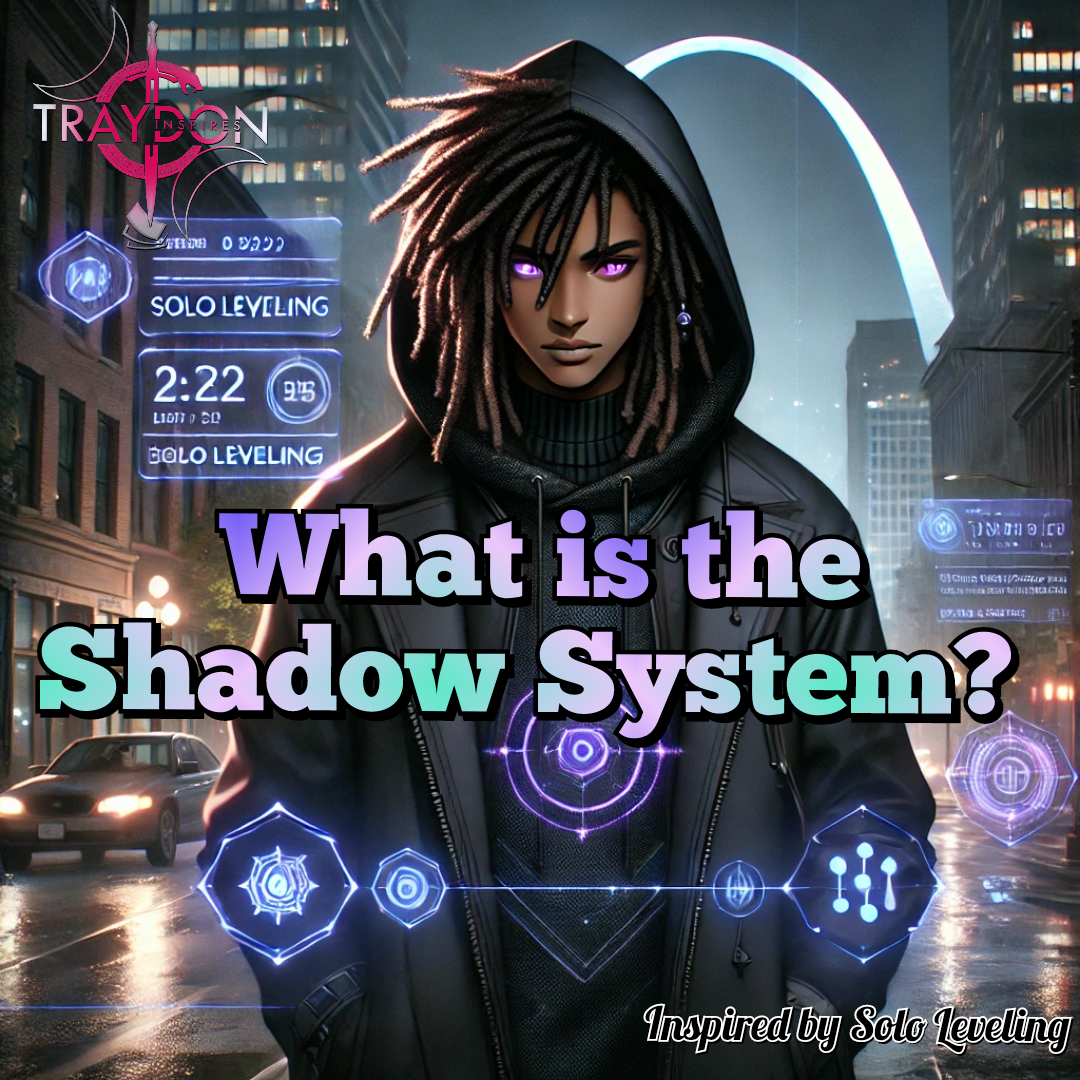
The Shadow System
The sacred did not disappear.
It moved.
It lives in the stories we binge, the characters we admire, and the transformations we replay.
When we stop calling them “just stories,” we unlock archetypal awareness.
This is the foundation of what I call the Shadow System — recognizing how identity, myth, and modern storytelling shape self-perception.
How to Use Pop Culture as a Neomystic Practice
Instead of consuming content passively, engage it intentionally.
Step 1 — Identify the Archetype
Ask:
Which character do I feel deeply connected to?
Step 2 — Name the Trait
What quality do they embody?
Resilience? Power? Belonging? Transformation?
Step 3 — Reflect Identity
Where does this trait exist in me already?
Step 4 — Apply in Reality
How can I embody this quality today?
This turns entertainment into identity training.
Why This Matters in the AI Age
Machines process information.
Humans interpret meaning.
Pop culture trains:
- symbolic perception
- emotional depth
- archetypal recognition
- identity development
These are human capabilities that cannot be automated.
Neomysticism prepares people to retain humanity in a world driven by technology.
The Larger Truth
You were never “watching” those stories.
You were remembering something.
Identity.
Transformation.
Power.
Shadow.
Belonging.
Visions didn’t disappear from humanity.
They just arrived in a new format.
24 frames per second.
FAQ SECTION
Is anime really connected to mysticism?
Anime and modern media often use archetypal storytelling rooted in mythological and psychological patterns. These narratives can activate identity reflection and emotional recognition.
What is Neomysticism in pop culture?
Neomysticism recognizes modern media as a cultural carrier of myth, symbolism, and identity development rather than just entertainment.
Why do certain characters feel deeply personal?
Because they mirror archetypal traits within us — resilience, shadow, belonging, transformation — triggering recognition rather than simple admiration.
How can I apply this to my life?
Use stories as identity mirrors:
notice what resonates,
name the trait,
embody it intentionally.
Join The Patreon For More Exclusive Content Here
Neomystic Entries